
• Deutsch (Deutschland)
    • English (United Kingdom)
Open menu
  • News
  • About Us
    • Mission
    • Commissioners
    • Staff Office
    • Job offers
    • Contact
  • Reports
    • Biennial Reports
    • Sector Reports
      • Energy
      • Post
      • Railways
      • Telecommunications
    • Special Reports
      • On own initiative
      • Ministerial Authorisation
    • Complete List of Reports
    • Data
      • Top 100 Panel
      • Concentration
      • Archive
    • Policy Brief
  • Press Releases
Revision of EU Rules on Unfair Trade Practices
24 February 2026: Statement by the Monopolies Commission on the European Commission's Revision of the UTP-Directive
Read more
With Competition towards a European Single Market!
10 December 2025: Recommendations of the 14th Telecommunications Sector Report for fibre network deployment and a competition‑oriented EU telecommunications market
Read more
Food Markets under Pressure
21 November 2025: Recommendations of the Special Report on Competition in Food Retail and Manufacturing, and on Improving Agricultural Framework Conditions
Read more
Competition and Efficiency for a Sustainable Energy System
4 November 2025: The Monopolies Commission's 10th Sector Report Energy and its recommendations for sustainable electricity, district heating and gas networks as well as the charging infrastructure for e-mobility
Read more
EU competition law: More speed, more impact!
Policy Brief October 2025: The Monopolies Commission recommends adjustments to EU competition law in relation to cartel and abuse proceedings as well as merger control.
Read more
Statement on the Digital Networks Act
Europe should focus on completing the digital single market with competition as guiding principle and refrain from distorting well-functioning internet interconnection markets.
Read more
Setting the right Course now
13. June 2025: Monopolies Commission Warns: Special Rail Fund Must Be Used for a Real New Start
Read more
Defence Spending Needs a Shake-Up
The Monopolies Commission is calling for an urgent transformation of defence procurement to remove bureaucratic barriers while safeguarding competition.
Read more
Digital ecosystems
The Monopolies Commission has developed an economic test concept for the identification of digital ecosystems and recommends that Section 19a GWB should be targeted explicitly to deal with digital ecosystems.
Read more
Policy Brief on competition in the food supply chains
February 8 2024: In its thirteenth Policy Brief, the Monopolies Commission recommends that interventions in agricultural markets or food supply chains to strengthen the market position of farmers should only be made cautiously and on a clear factual basis.
Read more


9th Sector Report Railways (2023): “Time to GO: Finally quality effective in competition!“


Sector Report on German railway markets pursuant to Sec. 78 of the Railway Regulation Act, July 4, 2023


  1. The planned restructuring of the Deutsche Bahn (DB) Group offers opportunities for competition in the railway sector. To this end, the new infrastructure unit InfraGo should be economically and organizationally independent.
  2. A prerequisite for stimulating competition and increasing the attractiveness of rail is higher infrastructure quality. The Monopolies Commission, therefore, recommends a new qualityoriented regulatory framework for charges.
  3. Innovative sales service providers of digital tickets can also contribute to quality, provided they are given access to all real-time and forecast infrastructure data relevant to competition. InfraGo would have to make this data equally available to all competitors.

In its 9th Sector Report on the railway sector, “Time to GO: Finally quality effective in competition!”, the Monopolies Commission makes recommendations to strengthen competition in the railway market. "It is high time for ambitious reforms," said the Chairman of the Monopolies Commission, Prof. Dr. Jürgen Kühling. This is shown in particular by the severe quality deficiencies of the entire infrastructure and the high number of delays and train cancellations. The planned establishment of an infrastructure company for the common good can be a useful component of a broad reform package. 

Take a competitive approach to restructuring the DB Group. The German government is currently seeking to restructure the DB Group. The infrastructure units DB Netz and DB Station & Service are to be merged to form a new infrastructure unit for the common good (InfraGo). However, the merger must not be the end of the story. Instead, it is important to ensure that InfraGo is structured in a competitive manner. The Monopolies Commission recommends extensive economic and organizational independence from the other companies of the DB Group. To this end, the Board of Management and the Supervisory Board of the new company should be independent of the transport companies of the DB Group. In addition, the after-tax results of the DB Group companies should be reported more transparently in the annual reports to counteract anti-competitive cross-subsidization. "An infrastructure company for the common good must feel equally committed to all users of the infrastructure," said the Chairman of the Monopolies Commission.

Realign quality regulation. The German rail infrastructure is in a poor state of quality. This is evident, among other things, from the high number of outdated tracks and switches or the many rail bridges that are in need of refurbishment. This entails an abundance of delays and train cancellations at the expense of passengers and carriers. Since the current regulation does not provide any improvement, a realignment of railroad regulation is urgently needed. "Regulation must provide stronger incentives for the infrastructure operator to invest sustainably in the quality of the infrastructure," said the Chairman of the Monopolies Commission. The Monopolies Commission recommends that quality control should in the future be incorporated into the regulatory framework for charges. The track access charges that the infrastructure manager can demand from the railroad companies should be linked to achieving certain quality objectives, such as punctuality or network size. This creates real incentives for the infrastructure manager to ensure better quality in the rail sector.

Furthermore, the quality orientation of all other control mechanisms must be reviewed. In this respect, the Monopolies Commission welcomes that the funds of the Service and Financing Agreement (Leistungs- und Finanzierungsvereinbarung), which have so far only subsidized new investments, are finally also to be used to finance existing infrastructures. The Monopolies Commission has been calling for this extension for a couple of years. It will ensure that the rail infrastructure is no longer driven "on wear and tear". In addition, it is urgently recommended that the quality targets set in this context for regulatory purposes be linked back to the bonus payments of DB Management. For this, a structural cultural change in the management of the DB Group is imperative. The Management must feel a much stronger commitment to all customers of the infrastructure than it has in the past.

Enable competition in sales. Another prerequisite for competition on the railway market is competition in sales. Only if this is the case competitors of the DB Group can also be better perceived and booked by passengers. Passengers can benefit directly from this through lower ticket prices. Experience in other countries, such as Spain, shows this. In the German market, on the other hand, independent sales service providers are finding it difficult to gain a market foothold. This is mainly because the DB Group withholds infrastructure data from competing sales companies, especially on expected arrival and departure times, in favor of its own sales. "When seriously focusing on the common good, such obstructive practices towards competitors should be stopped in the future," says the Chairman of the Monopolies Commission.


The following documents are now available for download:

Press release (in English)

Special Report in full text (in German language only)
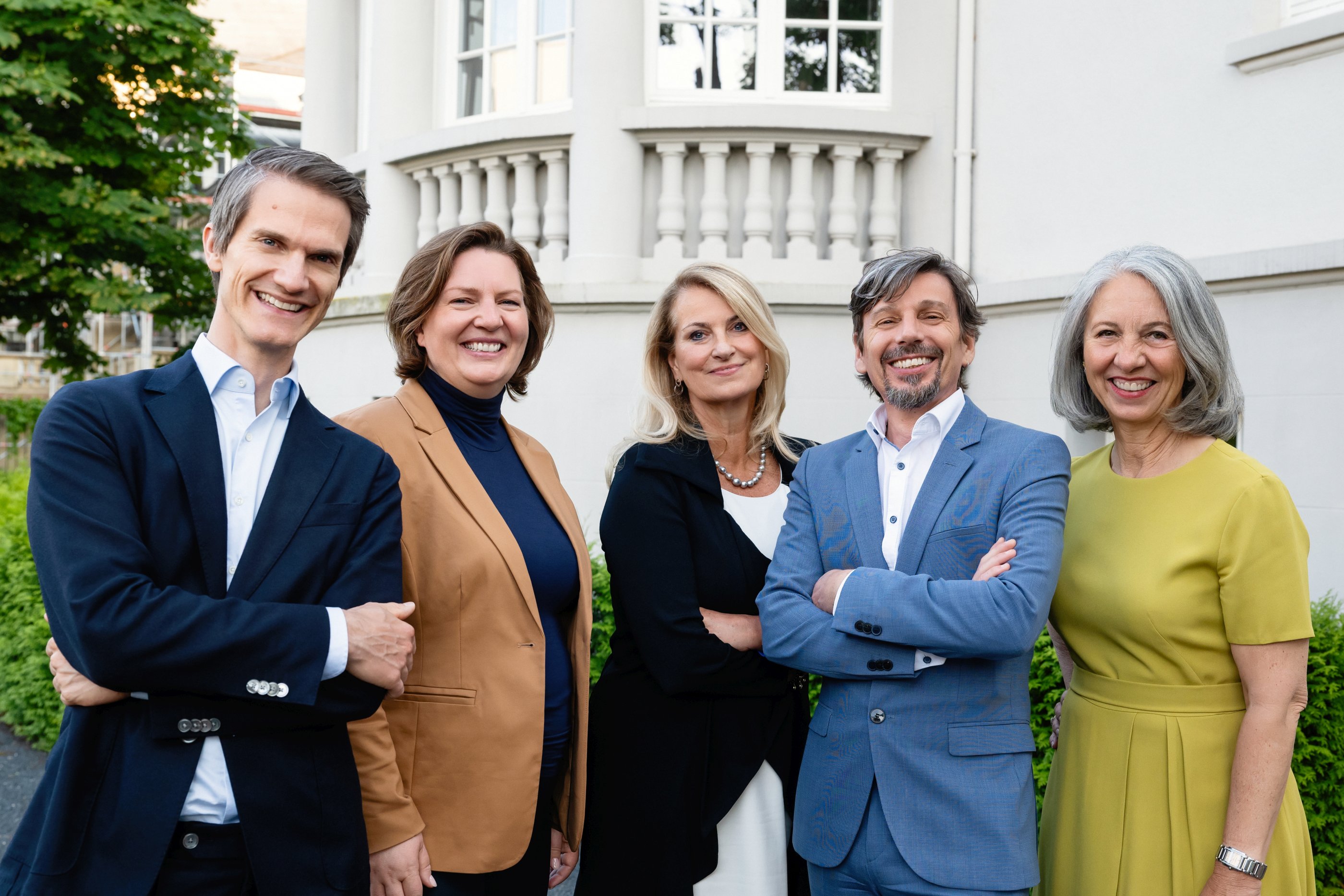
 

About Us

Monopolkommission 2024

Prof. Dr. Tomaso Duso (Chairman)

Constanze Buchheim
Pamela Knapp
Dagmar Kollmann
Prof. Dr. Rupprecht Podszun

Our Mission and Contact


9th Sector Report Railways (2023): “Time to GO: Finally quality effective in competition!“


Sector Report on German railway markets pursuant to Sec. 78 of the Railway Regulation Act, July 4, 2023


  1. The planned restructuring of the Deutsche Bahn (DB) Group offers opportunities for competition in the railway sector. To this end, the new infrastructure unit InfraGo should be economically and organizationally independent.
  2. A prerequisite for stimulating competition and increasing the attractiveness of rail is higher infrastructure quality. The Monopolies Commission, therefore, recommends a new qualityoriented regulatory framework for charges.
  3. Innovative sales service providers of digital tickets can also contribute to quality, provided they are given access to all real-time and forecast infrastructure data relevant to competition. InfraGo would have to make this data equally available to all competitors.

In its 9th Sector Report on the railway sector, “Time to GO: Finally quality effective in competition!”, the Monopolies Commission makes recommendations to strengthen competition in the railway market. "It is high time for ambitious reforms," said the Chairman of the Monopolies Commission, Prof. Dr. Jürgen Kühling. This is shown in particular by the severe quality deficiencies of the entire infrastructure and the high number of delays and train cancellations. The planned establishment of an infrastructure company for the common good can be a useful component of a broad reform package. 

Take a competitive approach to restructuring the DB Group. The German government is currently seeking to restructure the DB Group. The infrastructure units DB Netz and DB Station & Service are to be merged to form a new infrastructure unit for the common good (InfraGo). However, the merger must not be the end of the story. Instead, it is important to ensure that InfraGo is structured in a competitive manner. The Monopolies Commission recommends extensive economic and organizational independence from the other companies of the DB Group. To this end, the Board of Management and the Supervisory Board of the new company should be independent of the transport companies of the DB Group. In addition, the after-tax results of the DB Group companies should be reported more transparently in the annual reports to counteract anti-competitive cross-subsidization. "An infrastructure company for the common good must feel equally committed to all users of the infrastructure," said the Chairman of the Monopolies Commission.

Realign quality regulation. The German rail infrastructure is in a poor state of quality. This is evident, among other things, from the high number of outdated tracks and switches or the many rail bridges that are in need of refurbishment. This entails an abundance of delays and train cancellations at the expense of passengers and carriers. Since the current regulation does not provide any improvement, a realignment of railroad regulation is urgently needed. "Regulation must provide stronger incentives for the infrastructure operator to invest sustainably in the quality of the infrastructure," said the Chairman of the Monopolies Commission. The Monopolies Commission recommends that quality control should in the future be incorporated into the regulatory framework for charges. The track access charges that the infrastructure manager can demand from the railroad companies should be linked to achieving certain quality objectives, such as punctuality or network size. This creates real incentives for the infrastructure manager to ensure better quality in the rail sector.

Furthermore, the quality orientation of all other control mechanisms must be reviewed. In this respect, the Monopolies Commission welcomes that the funds of the Service and Financing Agreement (Leistungs- und Finanzierungsvereinbarung), which have so far only subsidized new investments, are finally also to be used to finance existing infrastructures. The Monopolies Commission has been calling for this extension for a couple of years. It will ensure that the rail infrastructure is no longer driven "on wear and tear". In addition, it is urgently recommended that the quality targets set in this context for regulatory purposes be linked back to the bonus payments of DB Management. For this, a structural cultural change in the management of the DB Group is imperative. The Management must feel a much stronger commitment to all customers of the infrastructure than it has in the past.

Enable competition in sales. Another prerequisite for competition on the railway market is competition in sales. Only if this is the case competitors of the DB Group can also be better perceived and booked by passengers. Passengers can benefit directly from this through lower ticket prices. Experience in other countries, such as Spain, shows this. In the German market, on the other hand, independent sales service providers are finding it difficult to gain a market foothold. This is mainly because the DB Group withholds infrastructure data from competing sales companies, especially on expected arrival and departure times, in favor of its own sales. "When seriously focusing on the common good, such obstructive practices towards competitors should be stopped in the future," says the Chairman of the Monopolies Commission.


The following documents are now available for download:

Press release (in English)

Special Report in full text (in German language only)


About Us

Monopolkommission 2024

Prof. Dr. Tomaso Duso (Chairman)

Constanze Buchheim
Pamela Knapp
Dagmar Kollmann
Prof. Dr. Rupprecht Podszun

Our Mission and Contact


Seitenanfang top
Imprint | Legal information